
Concrete Repair in Boston, MA 02134
Serving Boston and the greater Suffolk area with professional Concrete Repair.
Boston Concrete Repair — Massachusetts | MA Concrete Repair
Professional Concrete Repair by MA Concrete Repair serving Boston, MA and Suffolk County.
Quick Answer
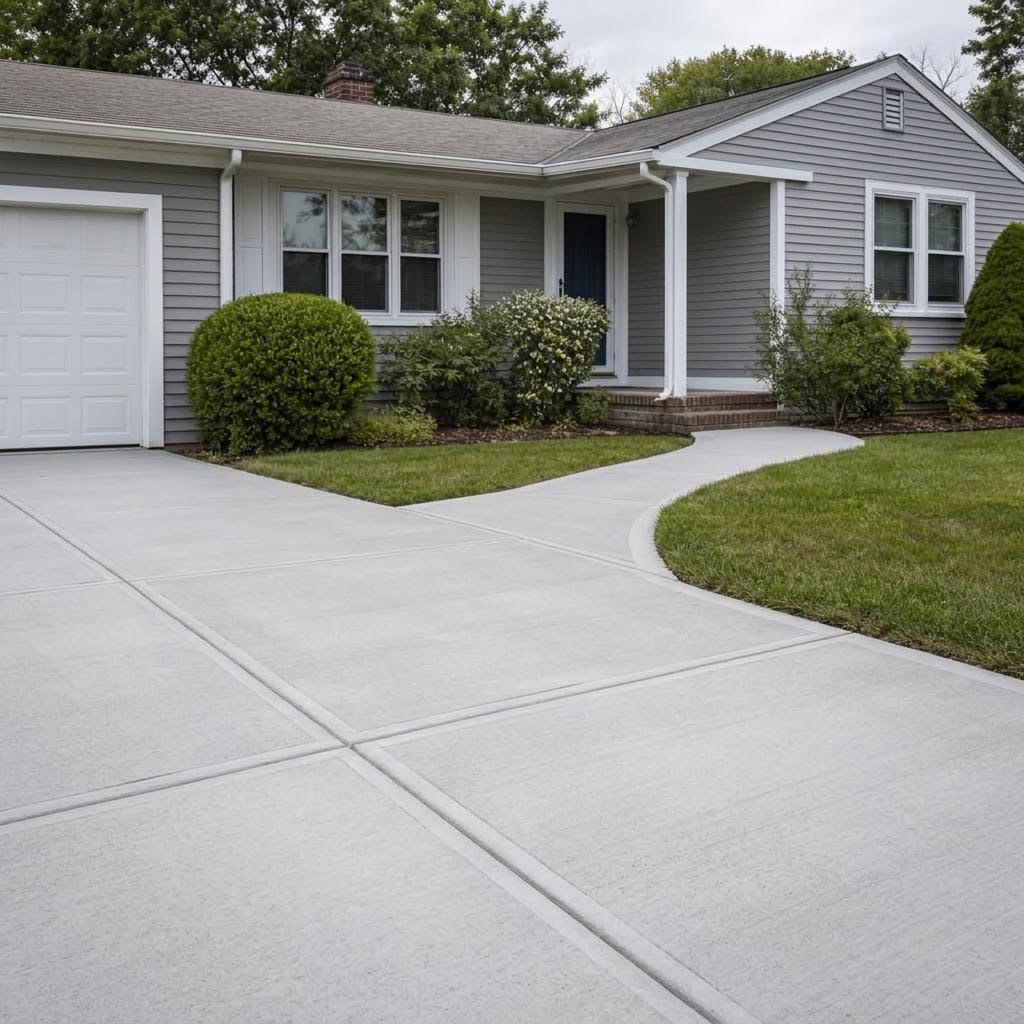
Concrete Repair in Boston is scoped on-site — the technician identifies the root cause, explains the repair scope and parts required, and confirms pricing before any work begins. If the repair requires ordered parts or specialty components, then allow additional lead time, which means part lead time depends on the component type and current supplier stock.
Why Boston Businesses Remember MA Concrete Repair
If: A Boston business or property owner needs concrete repair — from routine maintenance to urgent work.
Then: MA Concrete Repair handles the job with defined scope, upfront pricing, and scheduled access.
Why: Customers in Boston, Cambridge, Belmont, and nearby Suffolk County communities need to know what the service covers, what it costs, and when the work starts.
How: The process focuses on clear scoping, confirmed pricing, scheduled access, and verified completion for businesses competing near Fenway Park and Boston Common in the broader Boston market.
Our Concrete Repair services are available throughout Boston, MA, serving downtown areas, residential neighborhoods, and commercial properties.
Our Concrete Repair Services in Boston

Foundation Repair
Professional Foundation Repair services for residential and commercial properties in Boston.

Commercial Concrete Repair
In Boston, expert Commercial Concrete Repair solutions serving Suffolk County and the surrounding region.

Concrete Crack Repair & Sealing
Specialized Concrete Crack Repair & Sealing for residential and commercial customers throughout Boston.
Building Stock Profile
Homeowners with Aging Properties: Many homeowners in Boston, especially in neighborhoods like Beacon Hill and the South End, live in older properties that require regular maintenance. These homes often experience issues such as cracked driveways and uneven sidewalks due to age and wear. Homeowners are driven by a desire to maintain property value and ensure safety for family and visitors, prompting them to seek concrete repair services.
Property Managers in Multi-Unit Buildings: Property managers overseeing apartment complexes in areas like Allston and Jamaica Plain face unique challenges with maintaining shared concrete surfaces. They must address tenant complaints regarding trip hazards and ensure compliance with safety standards. Effective concrete repair can reduce liability exposure and enhance tenant satisfaction, making timely service essential for these professionals.
Commercial Property Owners: Owners of commercial properties near Fenway Park and Harvard Square need to maintain a professional appearance while ensuring customer safety. Deteriorating parking lots and walkways can lead to negative impressions and potential liability claims. Therefore, they prioritize durable concrete repairs that withstand heavy foot and vehicle traffic, ensuring operational continuity.
Seasonal Demand Patterns: In Boston, the demand for concrete repair services often peaks in late spring and early summer. Homeowners and property managers alike recognize that waiting too long can lead to more extensive damage. This urgency, driven by local climate conditions and the desire to complete projects before peak usage periods, shapes when customers reach out for concrete repair.
Regulatory Considerations: Navigating local permit requirements is a critical factor for homeowners and property managers in Boston. For example, projects around Boston Common may require specific permits to ensure compliance with city regulations. Understanding these requirements not only influences project timelines but also affects the overall decision-making process for those seeking concrete repair services.
Neighborhood Considerations
-
Boston's diverse neighborhoods present unique challenges for concrete repair. In areas like Beacon Hill, historic preservation regulations can complicate repair methods. Homeowners must navigate these constraints while ensuring that repairs align with the architectural integrity of their properties. This often requires specialized materials and techniques to meet both aesthetic and structural needs.
The coastal geography of Boston means that properties near the waterfront, such as in East Boston, face specific issues related to moisture and salt exposure. Homeowners and property managers in these areas should prioritize timely repairs to prevent further deterioration caused by the harsh marine environment. Regular assessments can help identify early signs of damage.
Timing is crucial in concrete repair projects, especially in Boston's winter months. Homeowners and contractors should plan repairs during the milder fall months to avoid complications from freezing temperatures. Scheduling repairs before the onset of winter can save costs and extend the lifespan of the repairs, ensuring that properties remain safe and functional throughout the colder seasons.
In neighborhoods like South Boston, the increasing urban density can lead to challenges in accessing repair sites. Limited street space and heavy traffic can hinder the delivery of materials and equipment, making it essential for homeowners to coordinate with contractors for efficient scheduling. Proper planning can mitigate these logistical issues, ensuring timely repairs.
Additionally, the varying soil conditions across Boston can impact concrete stability. In areas such as Jamaica Plain, where clay soils are prevalent, homeowners should be aware of potential settling issues that may arise. Engaging with professionals who understand local soil characteristics is crucial for effective concrete repair solutions.
Concrete Damage Patterns
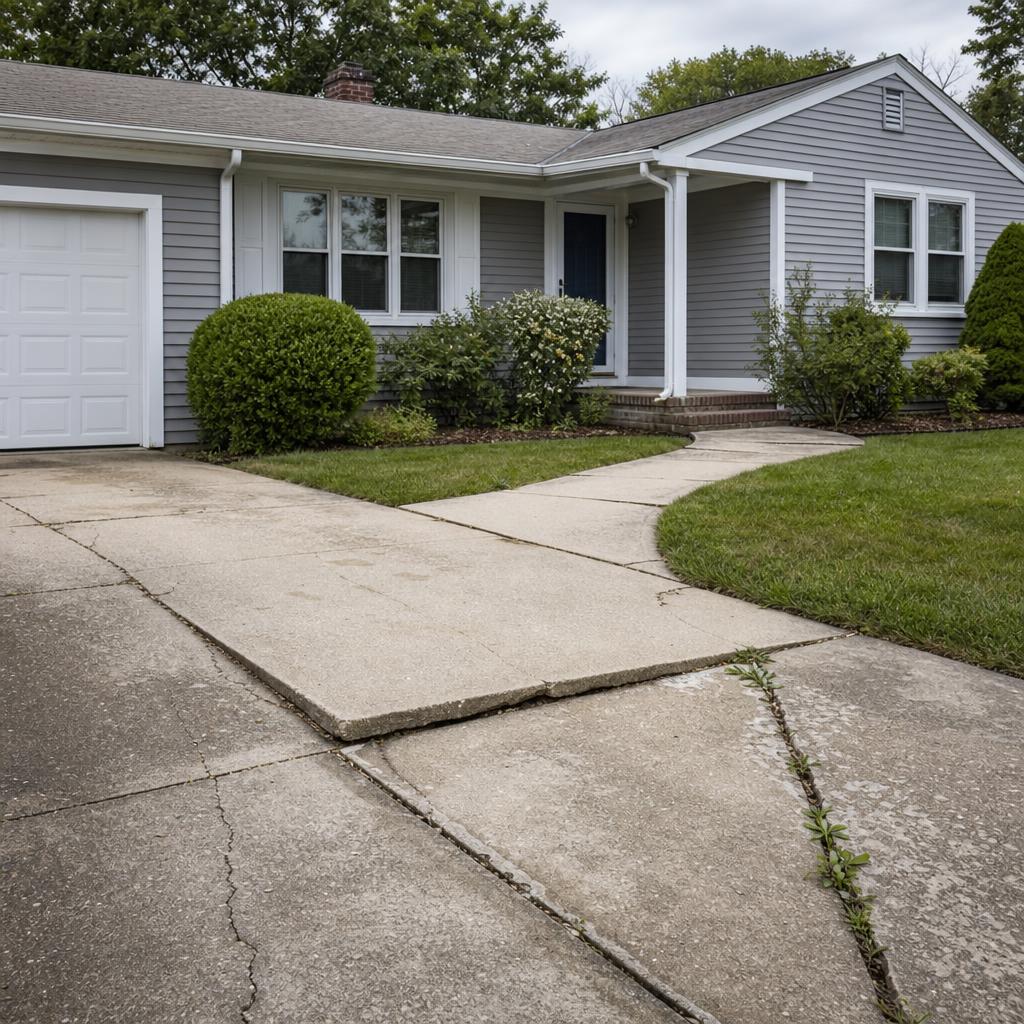
- Cracked Driveways: In Boston, driveways often develop visible cracks due to age and the effects of water intrusion. The clay-heavy soils common in areas like Jamaica Plain can exacerbate these cracks as they expand and contract with moisture levels. When left unaddressed, these cracks can worsen, leading to trip hazards and costly repairs down the line. Homeowners in older neighborhoods, particularly those with historic homes, frequently encounter this issue.
- Sunken Sidewalks: Sunken sidewalks are a frequent issue in Boston, especially in busy areas such as around Fenway Park where foot traffic is heavy. This problem typically arises from soil settlement beneath the concrete, often due to inadequate drainage or tree root intrusion. Neglecting this issue can result in liability risks for property owners, as uneven surfaces can cause accidents. Property managers coordinating multi-unit dwellings are particularly vulnerable to this risk.
- Patio Deterioration: Patios in Boston can show signs of deterioration, such as scaling or flaking, especially in properties located near the Boston Common where moisture levels are higher. This deterioration is often caused by freeze-thaw cycles that impact the structural integrity of the concrete. If not repaired promptly, it leads to a decrease in property aesthetics and functionality, making it a concern for homeowners looking to maintain their outdoor living spaces.
- Slab Settlement: Slab settlement is a common issue among Boston's commercial properties, particularly those built on older foundations. This settlement occurs when the soil beneath the slab compresses or erodes, often exacerbated by nearby excavation or heavy construction. Unattended, this can lead to significant structural problems, reduced usable space, and costly repairs. Facility managers in commercial venues, such as restaurants or retail spaces, often face this challenge, as it can directly impact their operations.
- Concrete Spalling: Concrete spalling, characterized by the flaking or peeling of the surface layer, is prevalent in Boston's older concrete structures. This condition often results from moisture infiltration and the use of de-icing salts during winter months. Ignoring spalling can lead to further degradation of the concrete, compromising safety and increasing repair costs. Property owners, particularly in residential complexes, must be vigilant as this issue can escalate quickly if not addressed.
Local Pricing Factors
- Project Scope and Complexity: The complexity of concrete repair projects in Boston is often influenced by older building stock, particularly in neighborhoods like Beacon Hill and the North End. Many homes in these areas have unique architectural features that require specialized repair techniques, thus increasing labor costs. For example, repairing a sunken sidewalk in Beacon Hill may involve navigating narrow access points, which complicates the project scope and can lead to higher overall costs. Homeowners must budget accordingly, as intricate repairs may also extend timelines.
- Timing and Urgency: The urgency of concrete repairs can significantly impact pricing in Boston. If a homeowner in South Boston needs immediate attention due to a trip hazard, they may incur additional costs for expedited service. Contractors often charge more for urgent projects, especially in densely populated areas where scheduling conflicts are common. Planning repairs during off-peak seasons can help mitigate these costs, allowing for more favorable pricing and scheduling flexibility.
- Location Logistics and Access Considerations: Access constraints are a notable factor in Boston's pricing landscape, particularly in areas like Harvard Square, where parking restrictions and narrow streets complicate logistics. Concrete repair teams may face delays due to permit requirements for street closures or limited access for larger equipment. This can lead to increased labor costs and extended project timelines, which homeowners should factor into their budgeting considerations when planning for repairs.
- Quality Tier or Provider Experience Level: The level of experience and quality tier of the service provider plays a crucial role in determining costs. In Boston, contractors with a proven track record of successful repairs, particularly in historic districts like the Freedom Trail, may charge premium rates. Homeowners should weigh the potential long-term savings of hiring a more experienced contractor against the initial costs, as quality repairs can prevent further issues and higher expenses down the line.
Climate Impact on Concrete
Spring Demand Surge: As temperatures rise in spring, homeowners become more aware of concrete issues like cracks and uneven surfaces that may have developed over winter. This season marks a peak demand for repair services, particularly in areas surrounding Boston Common where families enjoy outdoor spaces. Scheduling repairs during this time can be competitive, so early planning is advisable.
Summer Accessibility: Summer in Boston provides an ideal time for extensive concrete repair projects, as longer days allow for more working hours. Property managers in locations like Fenway Park often take advantage of this period to schedule larger projects, such as driveway replacements or sidewalk repairs, while minimizing disruption to residents. However, the high demand can also lead to longer wait times for service.
Fall Preparation: As fall approaches, homeowners around Faneuil Hall begin to prepare for winter by addressing any existing concrete issues. This proactive approach helps prevent more significant damage from ice and snow. During this time, scheduling can become complex as many property owners seek repairs before colder weather sets in, requiring careful coordination with service providers.
Winter Emergency Repairs: Winter often brings urgent repair needs, especially in areas with significant foot traffic, such as near the Freedom Trail. Homeowners and property managers must be prepared for emergency repairs due to ice damage or snow-related issues. Prompt action is crucial to avoid safety hazards, and service providers may need to adjust schedules to accommodate urgent requests during peak winter months.
Risk Disclosure
What to Look For: When selecting a concrete repair provider in Boston, it is essential to verify their qualifications and experience, particularly in handling older structures. Ask for references and examples of previous work in neighborhoods like Fenway or Back Bay, where unique architectural elements may require specialized knowledge. Be wary of companies that cannot provide documentation or have limited experience with the specific type of repair needed. This can lead to inadequate work that may necessitate costly follow-up repairs.
Common Disappointments: One common disappointment for homeowners is unexpected cost increases due to unanticipated complications during the repair process. In Boston, factors such as hidden damage, underlying soil issues, or the need for additional permits can arise. Make sure to discuss potential contingencies with your contractor upfront and request a detailed estimate that includes possible additional costs. This transparency will help mitigate the risk of surprises as the project progresses.
Our Promise: A reliable concrete repair service should provide clear timelines and communicate effectively about the project scope. In Boston, delays can occur due to weather, access restrictions, or permit approvals. Ensure your contractor outlines a timeline that considers these factors and includes regular updates on progress. If a provider is unwilling to commit to a timeline or provide updates, it may indicate a lack of professionalism that could result in further complications.
Local Regulations: Homeowners should also be aware of local regulations regarding concrete repairs in Boston. Certain neighborhoods may have specific guidelines that dictate repair methods or materials used, especially in historic districts. Familiarize yourself with these requirements to avoid potential fines or project delays.
Environmental Considerations: When repairing concrete, consider the environmental impact of the materials used. In Boston, there is a growing emphasis on sustainability, and many homeowners prefer eco-friendly options. Discussing green alternatives with your contractor can lead to a solution that is both effective and environmentally responsible.
Project Scenarios
Scenario: Homeowner Repairing a Cracked Patio in Fenway
In Boston, Client: A homeowner in the Fenway area required urgent repairs for a cracked patio that had become a safety concern.
In Boston, Background: The property, a historic brownstone built in the early 1900s, faced significant wear due to seasonal freeze-thaw cycles. The cracks had widened over the winter months, creating tripping hazards for residents and guests. With summer gatherings approaching, the homeowner was eager to restore the patio's safety and aesthetics quickly.
In Boston, Approach: We conducted a thorough assessment of the cracks, determining the need for a targeted repair strategy. Given the urgency, the homeowner decided to proceed with a surface-level repair rather than a complete replacement, which would have extended the timeline. We utilized a high-strength epoxy to seal the cracks, ensuring durability while minimizing disruption to the homeowner's schedule.
In Boston, Result: The project was completed in just two days, effectively sealing the cracks and restoring the patio's surface. The homeowner was relieved to have a safe outdoor space ready for summer gatherings, eliminating any trip hazards and enhancing the overall appeal of the property.
Scenario: Property Manager Fixing Sidewalk Damage Near Boston Common
Client: A property manager responsible for a multi-unit building near Boston Common needed to address extensive sidewalk damage that posed safety risks.
Background: The building, constructed in the late 1980s, had sidewalks that had deteriorated due to tree root growth and heavy foot traffic. Tenant complaints had escalated, prompting the property manager to seek a swift resolution before the leasing season began. Ensuring tenant safety and compliance with local regulations was paramount.
Approach: After evaluating the sidewalk's condition, the property manager opted for a complete resurfacing to ensure longevity and safety. We chose a rapid-setting concrete mix to expedite the process, allowing for quick curing. This decision was critical to minimize disruption during peak tenant activity and to comply with safety regulations.
In Boston, Result: The sidewalk repairs were completed in three days, significantly improving safety and accessibility. The new surface not only enhanced the building's appearance but also reduced the number of tenant complaints, providing a safer environment for all residents.
Scenario: Restaurant Manager Restoring a Sunken Patio Near Faneuil Hall
In Boston, Client: A restaurant manager near Faneuil Hall faced issues with a sunken patio that affected outdoor dining experiences.
Background: The restaurant, a bustling venue popular with both locals and tourists, had a patio that settled unevenly due to soil erosion. With the summer dining season in full swing, the manager needed a prompt repair to ensure customer safety and maintain the restaurant's outdoor appeal. The timeline was crucial, as outdoor seating was a significant revenue source.
Approach: We assessed the patio's condition and determined that concrete lifting would be the most effective solution. The restaurant manager decided to schedule the work for early morning hours to minimize disruption during business hours. This decision allowed us to use specialized equipment to raise the sunken areas efficiently without affecting service.
Result: The patio was restored within a single morning, allowing the restaurant to reopen for lunch service without interruption. The manager was pleased with the quick turnaround, which not only improved safety but also enhanced the overall dining experience, leading to increased patronage during the busy summer months.
Frequently Asked Questions
What are the signs that I need concrete crack repair in my Boston home?
Common signs include visible cracks, spalling, or sinking areas around your driveway or patio. In older Boston homes, such as those near Fenway Park, these issues can indicate underlying problems that may worsen over time. Addressing them promptly can prevent safety hazards and more costly repairs later. Additionally, if you notice water pooling in certain areas after rain, this could signify compromised concrete that needs immediate attention.
How can I tell if my concrete sidewalk needs immediate repair?
Look for significant trip hazards, such as raised slabs or large cracks. In areas like Boston Common, where foot traffic is high, these issues can lead to liability risks. If you notice uneven surfaces, it’s advisable to schedule an assessment to evaluate the urgency of the repair. Furthermore, if you see vegetation growing through cracks, this can indicate deeper structural issues that should be resolved quickly.
What are my options for repairing a sinking driveway in Boston?
You can consider options like concrete lifting, resurfacing, or full replacement. Each method has its benefits depending on the extent of damage and underlying causes, such as soil settlement. Consulting with a concrete repair specialist can provide clarity on the best solution for your specific driveway condition. In some Boston neighborhoods, localized soil erosion can exacerbate these issues, making timely repairs essential.
How much does concrete leveling typically cost in Boston?
Pricing for concrete leveling varies based on the size of the area and the severity of the sinking. Factors such as accessibility around your property, especially in busy areas like Faneuil Hall, can also influence costs. It’s best to get a detailed estimate that considers these variables for a more accurate figure. Keep in mind that costs may also fluctuate based on the specific materials used in the repair process.
What is the typical timeline for concrete slab repair in Boston?
The timeline can range from a few hours for minor repairs to several days for extensive work. Factors such as curing time and weather conditions in Boston can also affect the overall schedule. Confirming these details with your contractor can help you plan accordingly and minimize disruption. In colder months, delays may occur due to freezing temperatures, which can extend the timeline for certain repair methods.
How long does Concrete Repair take in Boston, MA?
How quickly Concrete Repair can be completed in Boston, MA depends on site conditions, scheduling, and material lead times. MA Concrete Repair will give you a more specific schedule after reviewing the project.
Is repair or replacement the better option for Concrete Repair in Boston, MA?
The right choice between repair and replacement for Concrete Repair in Boston, MA depends on the condition of what is being assessed, the cost difference, and the expected lifespan. MA Concrete Repair can assess the current condition and give you a clear recommendation.
What warranty coverage is included with Concrete Repair work in Boston, MA?
MA Concrete Repair typically provides warranty coverage on Concrete Repair work in Boston, MA that addresses workmanship and quality. Asking for written warranty details before the work begins ensures you know what protection you have.
Common Questions
Answers for local customers
Diagnose & Urgency
Repair Options & Tradeoffs
Cost, Timing & Warranties
Should I choose concrete crack repair and sealing or full replacement?
If the cracks are minor and not affecting the structural integrity, repairing and sealing can be a cost-effective option.
What Concrete Repair options are available?
We offer a range of Concrete Repair solutions tailored to residential and commercial needs. Contact us to discuss your specific requirements and get a detailed overview of what we provide.
How long does Concrete Repair typically take?
Project timelines depend on scope and complexity. We provide accurate schedules during your consultation so you know exactly what to expect before work begins.
What causes the need for Concrete Repair?
Common factors include age, wear, environmental conditions, and changes in property or business needs. A professional assessment can identify your specific situation and the most appropriate path forward.
Do you provide free estimates for Concrete Repair?
Yes, we offer complimentary consultations and detailed written estimates for all Concrete Repair projects so you can make informed decisions without any obligation.
When is the best time to schedule Concrete Repair?
We serve clients year-round and work around your schedule. Contact us to find the most convenient timing for your specific project and location.
How do I know if I need Concrete Repair?
Common indicators include visible issues, reduced performance, or changes in your property or business requirements. A professional evaluation can help you determine the right next steps.
What warranty do you offer on Concrete Repair work?
We provide comprehensive warranties on all work, covering both workmanship and materials for your protection. Warranty terms are explained clearly before any project begins.
Local Weather
Currently 65°F and partly cloudy with winds at 9 mph (as of 2026-09-09)
📍 Directions to Boston, MA
🚗 Driving Directions
I-95 (Route 128) (Exit 24):
- Take the exit onto Western Avenue, then turn right onto North Harvard Street
- Continue on North Harvard Street and turn right onto Hooker Street
- Turn right onto Arden Street. Arrive in Boston, MA
Nearby Service Areas
Get Your Free Estimate
Contact us today for a free, no-obligation estimate on your Concrete Repair project in Boston, MA.
