
Concrete Repair in Boston, MA 02131
Serving Boston and the greater Suffolk area with professional Concrete Repair.
Boston Concrete Repair | Licensed & Insured
Professional Concrete Repair by MA Concrete Repair serving Boston, MA and Suffolk County.
Quick Answer
Concrete Repair in Boston is scoped on-site — the technician identifies the root cause, explains the repair scope and parts required, and confirms pricing before any work begins. If the repair requires ordered parts or specialty components, then allow additional lead time, which means part lead time depends on the component type and current supplier stock.
Why Boston Businesses Remember MA Concrete Repair
If: A Boston business or property owner needs concrete repair — from routine maintenance to urgent work.
Then: MA Concrete Repair handles the job with defined scope, upfront pricing, and scheduled access.
Why: Customers in Boston, Cambridge, Needham, and nearby Suffolk County communities need to know what the service covers, what it costs, and when the work starts.
How: The process focuses on clear scoping, confirmed pricing, scheduled access, and verified completion for businesses competing near Fenway Park and Boston Common in the broader Boston market.
Our Concrete Repair services are available throughout Boston, MA, serving downtown areas, residential neighborhoods, and commercial properties.
Our Concrete Repair Services in Boston

Foundation Repair
Professional Foundation Repair services for residential and commercial properties in Boston.

Commercial Concrete Repair
In Boston, expert Commercial Concrete Repair solutions serving Suffolk County and the surrounding region.

Concrete Crack Repair & Sealing
Specialized Concrete Crack Repair & Sealing for residential and commercial customers throughout Boston.
Building Stock Profile
Homeowners in Historic Areas: Many homeowners in Boston's historic neighborhoods, such as Beacon Hill and Back Bay, face issues with cracked and uneven concrete due to age and wear. These residents prioritize maintaining their property's appearance and structural integrity, as their homes often represent significant investments. The unique architectural styles in these areas demand specialized concrete repair solutions to preserve aesthetic value while ensuring safety.
Property Managers of Multi-Unit Buildings: Property managers overseeing apartment complexes near Fenway Park frequently encounter tenant complaints regarding uneven walkways and deteriorating patios. Their primary concern is liability exposure and maintaining tenant satisfaction. Coordinating timely repairs across occupied units is essential, as it minimizes disruption and enhances the property’s appeal in a competitive rental market.
In Boston, Commercial Facility Owners: Business owners in areas like Harvard Square are particularly sensitive to customer safety and curb appeal. Cracked and uneven concrete can deter foot traffic and create ADA compliance risks. They seek durable repair solutions that can withstand high traffic, ensuring operational continuity while enhancing the professional appearance of their establishments.
Long-Term Residents with Aging Properties: Many long-term residents in neighborhoods like South Boston are dealing with the effects of aging concrete surfaces on their properties. These homeowners often face challenges related to trip hazards and water intrusion. They prioritize repairs that prevent further structural damage, as the median home value in Boston is high, and they want to protect their investment.
Seasonal Maintenance Coordinators: Maintenance coordinators for commercial properties near Faneuil Hall often schedule routine inspections and repairs to address concrete issues before they escalate. These coordinators understand the importance of proactive maintenance to avoid costly replacements. Their ability to manage multiple repair projects effectively ensures that all concrete surfaces remain safe and functional, bolstering their property’s value.
Neighborhood Considerations
-
Boston's unique weather patterns can significantly impact concrete repair schedules. Homeowners in areas like South Boston or Jamaica Plain should be aware that winter freeze-thaw cycles can exacerbate existing damage, requiring timely assessments and repairs before the cold sets in. Planning repairs in late spring or early fall can help avoid these seasonal challenges. Multi-unit property managers in neighborhoods such as Dorchester or Roxbury face specific logistical challenges when coordinating repairs. Ensuring minimal disruption to tenants while addressing concrete issues like cracks or spalling requires careful scheduling and communication. Engaging with contractors who understand the nuances of multi-family dwellings is essential for effective management. Cost considerations vary widely across Boston’s neighborhoods. For instance, the cost of concrete repair in affluent areas like Beacon Hill may differ significantly from more industrial zones like East Boston. Homeowners should conduct thorough property condition assessments to determine if repairs are more cost-effective than replacements, especially when dealing with older structures that may have hidden issues beneath the surface.
Label:
In neighborhoods like Charlestown, the historical significance of buildings can complicate concrete repair projects. Contractors must adhere to preservation guidelines, ensuring that repairs maintain the architectural integrity of these older structures. Homeowners should consult with specialists familiar with local regulations to navigate these challenges effectively.Label:
Similarly, areas such as the North End, known for its narrow streets and high foot traffic, present unique logistical hurdles. Concrete repair work may require permits and careful planning to minimize disruption to both pedestrians and local businesses. Engaging with city officials early in the process can help streamline these efforts.Concrete Damage Patterns
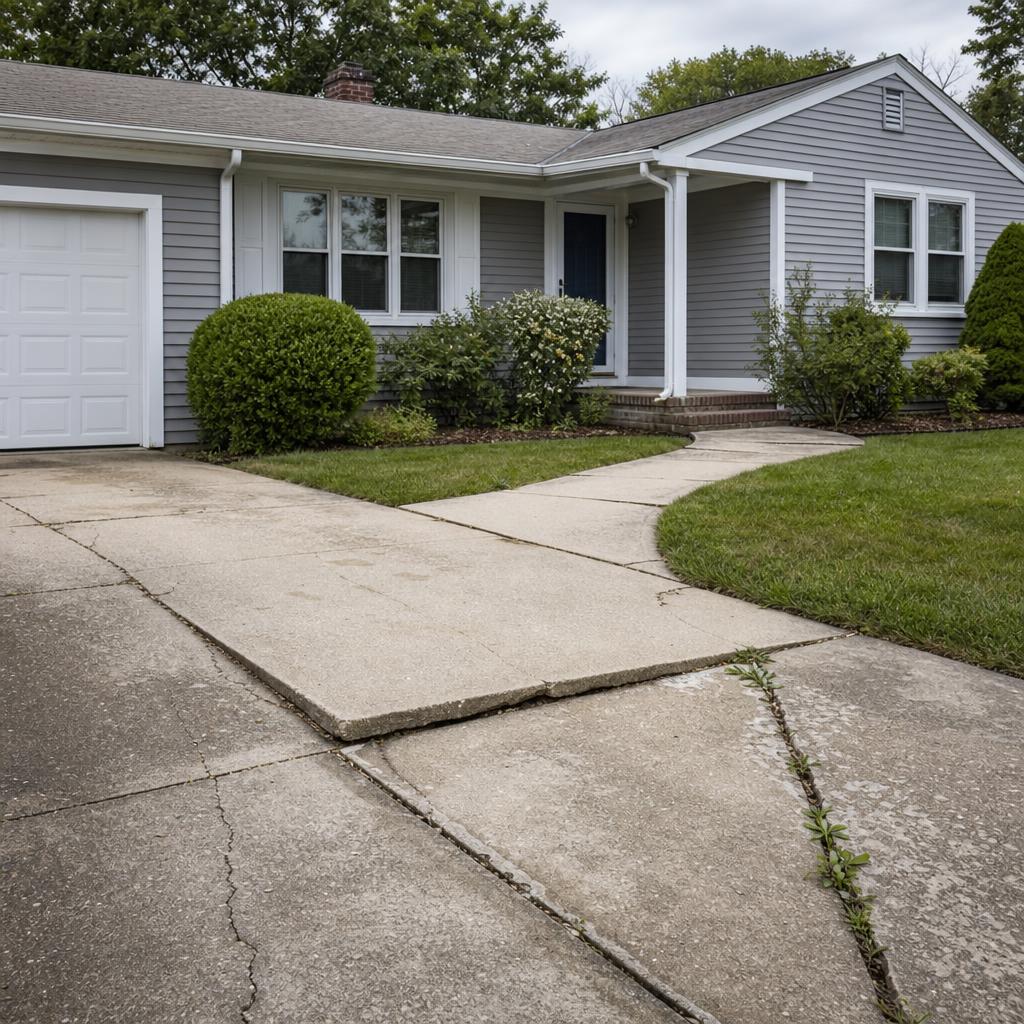
- Cracked Driveways: Homeowners in areas like Brighton and South Boston often notice cracks spreading across their driveways. These cracks can be attributed to the aging concrete combined with the soil composition in these neighborhoods, leading to increased moisture retention. If left unaddressed, these cracks can widen and create trip hazards, resulting in safety concerns and costly repairs. This issue commonly affects single-family homeowners looking to maintain property value and safety.
- Uneven Sidewalks: In neighborhoods such as Dorchester and Roxbury, property managers frequently encounter uneven sidewalks that pose risks to pedestrians. This unevenness typically arises from soil settling or tree root growth disrupting the concrete surface. Ignoring this problem can lead to liability issues for property owners, as accidents can occur, resulting in potential lawsuits. This situation is particularly concerning for property managers responsible for tenant safety and compliance.
- Sunken Patios: Homeowners in the Back Bay area often find their patios sinking or becoming uneven. This issue can stem from poor drainage systems or water pooling, which erodes the soil beneath the concrete. If not repaired promptly, this can lead to further structural damage and reduced usability of outdoor spaces. Homeowners seeking to enhance their outdoor living areas are particularly affected by this problem.
- Cracked Foundations: In historic neighborhoods like Beacon Hill, many older homes experience foundation cracks due to settling or shifting soil. These cracks can compromise the structural integrity of a property, leading to significant repair costs down the line. Homeowners looking to preserve the value of their historic properties face the greatest risk if these issues are not addressed in a timely manner.
- Patio and Walkway Deterioration: In commercial settings near Faneuil Hall, businesses often struggle with deteriorating concrete surfaces in high-traffic areas. This deterioration can occur due to heavy foot traffic and insufficient maintenance, leading to unsightly and unsafe conditions. If businesses neglect these repairs, they risk alienating customers and facing increased liability claims. This situation underscores the importance of regular maintenance for commercial property managers aiming to maintain a professional appearance.
Local Pricing Factors
- Project Scope and Complexity: The complexity of the concrete repair project significantly influences pricing. For example, repairing a sunken driveway in the historic Back Bay area may involve additional challenges due to the proximity to existing structures and underground utilities. This complexity can increase the labor hours required and necessitate specialized equipment. Homeowners in Boston facing extensive repair needs, such as slab stabilization or extensive sidewalk repairs, should anticipate higher costs due to the intricate nature of the work involved.
- Timing and Urgency: The urgency of repairs can also impact pricing. For instance, property managers in areas like Fenway must often address tenant complaints swiftly to avoid liability issues, leading to a premium on expedited services. Conversely, planned maintenance can be scheduled flexibly, which may result in lower costs. Understanding the timing implications can help homeowners and property managers budget effectively, as urgent projects may incur higher labor rates and expedited material costs.
- Location Logistics and Access Considerations: Access to job sites in Boston can vary greatly, affecting overall project costs. For example, narrow streets in the North End may restrict equipment access, requiring manual labor for heavier lifting tasks. This can lead to increased labor costs and longer timelines. Homeowners should account for these logistical challenges when planning repairs, as they can significantly impact both the cost and duration of the project.
- Quality Tier or Provider Experience Level: The experience level of the service provider can also dictate pricing. Established companies with a proven track record in areas like Harvard Square may charge more due to their expertise and reliability. In contrast, less experienced providers might offer lower rates but could lead to subpar results. Homeowners should weigh the potential long-term savings against the initial costs, ensuring they select a provider that meets their quality expectations while staying within budget.
Climate Impact on Concrete
Spring Demand Surge: As temperatures rise in spring, homeowners in Boston become more proactive about addressing concrete issues like cracks and uneven surfaces. This season marks a peak time for scheduling repairs, as many residents want to ensure their properties are safe and visually appealing for outdoor gatherings. The demand may increase near popular locations like Faneuil Hall, where foot traffic necessitates prompt repairs to avoid liability.
Summer Scheduling Flexibility: The summer months in Boston provide an opportunity for extensive concrete repair projects, with many homeowners taking advantage of longer daylight hours. However, scheduling can be impacted by local events and festivals, especially around the Freedom Trail. Planning repairs during quieter weeks ensures access to properties is less restricted, allowing for more efficient work.
Fall Preparation Phase: As fall approaches, property owners begin to prepare for winter by addressing concrete issues that may worsen in colder months. This period is critical for completing repairs before the onset of snow and ice, particularly in areas around the Boston Common, where pedestrian safety is a concern. Timely interventions help prevent increased damage and costly repairs later.
Winter Emergency Services: During winter, homeowners may face urgent concrete repairs due to freezing temperatures causing cracks to expand. Snow and ice accumulation can create hazardous conditions, prompting immediate attention to sidewalks and driveways. In this season, our response times are prioritized for emergency repairs, especially in high-traffic areas where safety is paramount.
Humidity Effects in Summer: The high humidity levels in Boston during summer can also impact concrete. Homeowners should be aware that moisture can weaken the curing process, potentially leading to surface issues. Understanding the local climate can help in planning repairs to ensure the best outcomes.
Risk Disclosure
What to Look For: When selecting a concrete repair provider in Boston, consider their experience with local projects. Verify their knowledge of city codes and permit requirements, as non-compliance can lead to costly fines or project delays. Look for providers who can demonstrate successful past projects, particularly in similar neighborhoods like Beacon Hill or Charlestown, where unique historical regulations may apply. Inquiring about warranties and post-repair support is also crucial to ensure lasting results and minimize future repair needs.
Common Disappointments: One risk is the potential for unexpected costs arising from hidden issues during the repair process. For example, if a contractor uncovers significant underlying damage while repairing a sidewalk in South Boston, additional expenses may accrue. Homeowners should ensure that their provider conducts a thorough pre-repair assessment to identify potential complications upfront, which can help mitigate unforeseen costs and ensure a more accurate budget.
Our Promise: A reliable provider should offer a clear timeline and scope of work before starting any project. In Boston, where weather and access can affect scheduling, it’s essential to establish a detailed plan that accounts for potential delays. Homeowners should expect regular updates throughout the repair process, especially in busy areas like Faneuil Hall, where coordination with pedestrian traffic may be necessary. Clear communication helps set realistic expectations and ensures a smoother repair experience.
Neighborhood-Specific Considerations: Different neighborhoods in Boston may present unique challenges for concrete repair. For instance, the historic cobblestone streets of the North End may require specialized techniques to preserve their aesthetic while ensuring structural integrity. Homeowners should seek providers familiar with the specific requirements of their area.
Seasonal Risks: Homeowners should be aware of seasonal risks that can affect concrete integrity. In Boston, freeze-thaw cycles during winter can exacerbate existing cracks and lead to further damage. Ensuring timely repairs can help mitigate these risks and protect property values.
Project Scenarios
Scenario: Homeowner Restoring a Driveway in Brighton
In Boston, Client: A homeowner in Brighton, concerned about extensive cracking in their driveway.
Background: The homeowner's driveway, which was over 20 years old, had developed significant cracks and uneven surfaces due to age and soil movement. With a median home value of $684,900 in Boston, the homeowner was worried that the deteriorating condition of the driveway would adversely affect their property’s resale value. They needed a prompt solution to address the trip hazards and restore the driveway’s appearance before hosting a family gathering.
Approach: We assessed the driveway’s condition and identified that the cracks were primarily due to soil settlement. We decided to use a concrete leveling method that would raise the sunken areas, ensuring a smooth surface without the need for complete replacement. This decision was made to minimize disruption and costs while providing a long-lasting solution. We scheduled the work for a weekday to avoid any conflicts with the homeowner's planned event, ensuring timely completion.
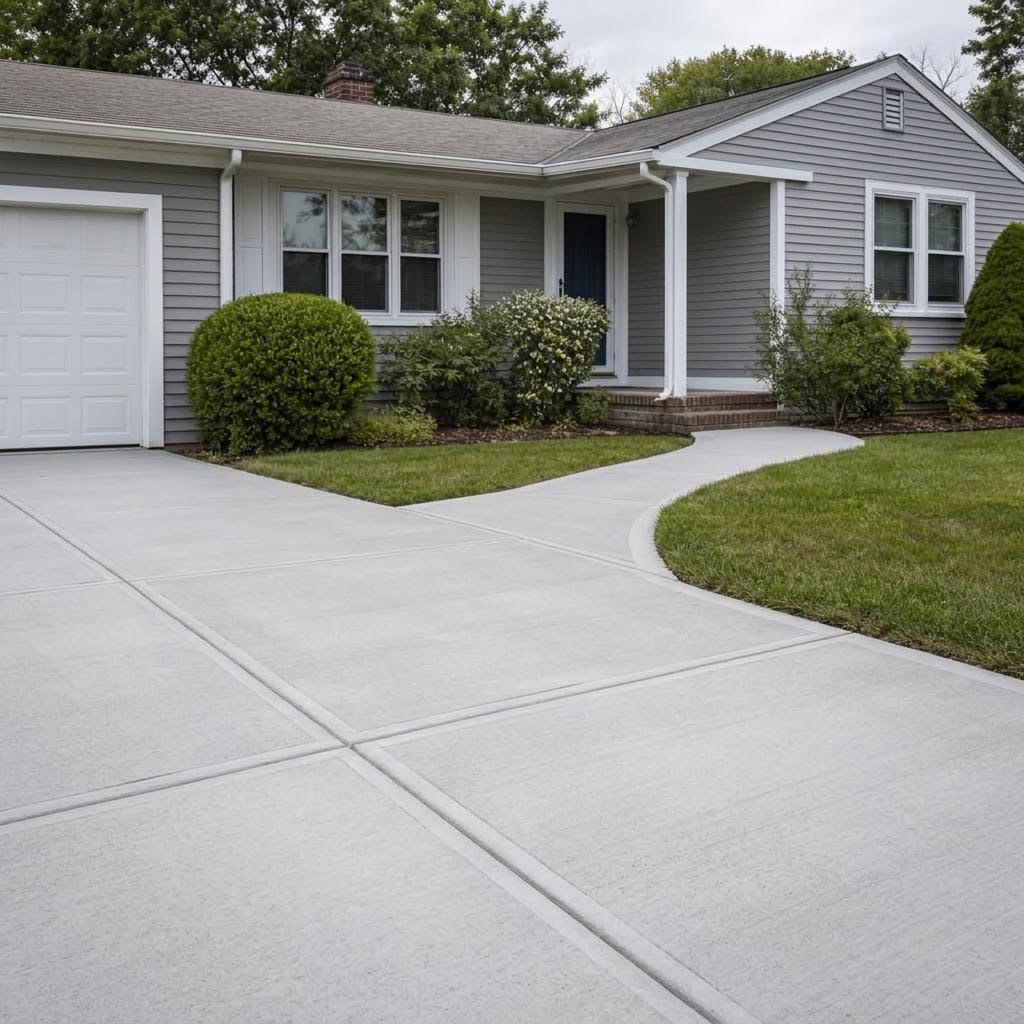
Result: The driveway was fully restored within two days, with all cracks stabilized and the surface leveled. The homeowner was pleased to see the aesthetic improvement and felt confident hosting their family gathering without safety concerns. This successful project not only enhanced the property’s curb appeal but also preserved its value in a competitive real estate market.
Scenario: Property Manager Addressing Sidewalk Issues in South Boston
Client: A property manager overseeing a multi-unit residential building in South Boston.
Background: The property manager received multiple complaints from tenants about uneven sidewalks that posed trip hazards. With the average household income in Boston at $89,212, tenants were increasingly concerned about safety and accessibility, especially for those with mobility challenges. The manager needed to address these issues swiftly to maintain tenant satisfaction and avoid potential liability claims.
Approach: We conducted a site assessment of the sidewalks surrounding the building and determined that several sections required leveling. We opted for a targeted approach, repairing only the most affected areas to minimize costs and tenant disruption. By coordinating the repairs during off-peak hours, we ensured that foot traffic was not significantly affected, allowing tenants to continue their daily routines with minimal interruption.
Result: The sidewalk repairs were completed in three days, significantly reducing trip hazards and improving accessibility for residents. The property manager received positive feedback from tenants, which contributed to higher satisfaction rates. This proactive approach not only helped to mitigate liability risks but also enhanced the property's reputation in the South Boston rental market.
Scenario: Commercial Facility Maintenance in the Fenway
In Boston, Client: A facility manager for a retail space near Fenway Park.
Background: The facility manager noticed that the concrete floor in the loading dock had several cracks and was beginning to sink, which could disrupt operations and pose safety risks. Given the proximity to Fenway Park, the facility had high foot traffic, and maintaining a safe environment was critical. The manager sought a reliable solution that would ensure operational continuity without impacting the business's reputation.
Approach: We evaluated the extent of the damage and discovered that the sinking was due to inadequate drainage from the loading dock area. We chose to implement a concrete stabilization method that would address the underlying issues while reinforcing the surface. This decision allowed us to minimize downtime and avoid the extensive costs of a full replacement. We scheduled the project during a weekend to prevent any disruption to regular business operations.
Result: The project was completed over the weekend, with the loading dock returned to service by Monday morning. The facility manager reported improved safety and functionality of the space, which allowed for uninterrupted operations during peak business hours. This successful intervention also reinforced the facility's commitment to maintaining a safe and professional environment for both employees and customers.
Frequently Asked Questions
What are the signs that my concrete driveway needs repair?
Common signs of driveway deterioration include visible cracks, uneven surfaces, and water pooling. In Boston, where many driveways are over 15 years old, these issues can lead to trip hazards. Additionally, the freeze-thaw cycles typical in Boston winters can exacerbate these problems, causing further cracking and surface damage. If you notice any of these symptoms, prompt repair is recommended to avoid further damage and ensure safety.
Should I repair or replace my cracked patio?
The decision to repair or replace a cracked patio depends on the severity of the damage. Minor cracks may be effectively repaired using resurfacing or patching techniques, while extensive cracking or sinking may necessitate a full replacement. In Boston, where patios are often subjected to heavy snow loads and ice, it’s crucial to consider how these factors have impacted the concrete. Consulting with a local expert can help determine the best approach for your specific situation in Boston.
How long does concrete leveling take to complete?
Concrete leveling projects typically take one to three days to complete, depending on the size and condition of the surface. For example, leveling a large commercial parking lot near Fenway Park may require more time compared to a residential sidewalk. Weather conditions, such as rain or snow, can also affect the timeline, especially during Boston's unpredictable seasons. Ensure to discuss timelines during your consultation to plan accordingly.
What factors affect the cost of repairing my concrete sidewalk?
The cost of sidewalk repair in Boston can vary based on several factors, including the extent of damage and the repair method chosen. For example, patching may be less expensive than full replacement. Local regulations may also impact costs, as the City of Boston requires compliance with specific sidewalk standards, which can affect the overall pricing. It's crucial to assess the specific condition of your sidewalk to get a more accurate estimate.
What is the best method for fixing water intrusion issues in my basement?
Addressing water intrusion in your basement often involves drainage correction or slab stabilization. In Boston, where older properties may have outdated drainage systems, it's essential to evaluate the underlying causes of water issues. Additionally, considering Boston's historic flood zones, implementing proper waterproofing measures is vital. A professional assessment can provide tailored solutions to effectively manage and prevent future problems.
What should I know about concrete repair permits in Boston?
Before starting any concrete repair work, it's important to understand the permitting process in Boston. For sidewalk repairs, permits are typically required from the City of Boston's Inspectional Services Department, especially if the work involves public pathways. Ensuring compliance with local regulations can help avoid fines and ensure the project meets city standards.
Common Questions
Answers for local customers
Diagnose & Urgency
Repair Options & Tradeoffs
Cost, Timing & Warranties
What Concrete Repair options are available?
We offer a range of Concrete Repair solutions tailored to residential and commercial needs. Contact us to discuss your specific requirements and get a detailed overview of what we provide.
How long does Concrete Repair typically take?
Project timelines depend on scope and complexity. We provide accurate schedules during your consultation so you know exactly what to expect before work begins.
What causes the need for Concrete Repair?
Common factors include age, wear, environmental conditions, and changes in property or business needs. A professional assessment can identify your specific situation and the most appropriate path forward.
Do you provide free estimates for Concrete Repair?
Yes, we offer complimentary consultations and detailed written estimates for all Concrete Repair projects so you can make informed decisions without any obligation.
When is the best time to schedule Concrete Repair?
We serve clients year-round and work around your schedule. Contact us to find the most convenient timing for your specific project and location.
How do I know if I need Concrete Repair?
Common indicators include visible issues, reduced performance, or changes in your property or business requirements. A professional evaluation can help you determine the right next steps.
What warranty do you offer on Concrete Repair work?
We provide comprehensive warranties on all work, covering both workmanship and materials for your protection. Warranty terms are explained clearly before any project begins.
Can Concrete Repair be customized to my specific needs?
Absolutely. We tailor every project to the specific requirements of your property, budget, and situation. No two projects are identical, and our approach reflects that.
Local Weather
Currently 65°F and partly cloudy with winds at 9 mph (as of 2026-09-09)
📍 Directions to Boston, MA
🚗 Driving Directions
I-95 (Route 128) (Exit 24):
- Head toward Boston, MA from the nearest major highway
- Follow GPS navigation for precise turn-by-turn directions
- Arrive in Boston, MA
Nearby Service Areas
Get Your Free Estimate
Contact us today for a free, no-obligation estimate on your Concrete Repair project in Boston, MA.
