
Concrete Repair in Boston, MA 02126
Serving Boston and the greater Suffolk area with professional Concrete Repair.
Concrete Repair | Boston, MA | 02126
Professional Concrete Repair by MA Concrete Repair serving Boston, MA and Suffolk County.
Quick Answer
Concrete Repair in Boston is scoped on-site — the technician identifies the root cause, explains the repair scope and parts required, and confirms pricing before any work begins. If the repair requires ordered parts or specialty components, then allow additional lead time, which means part lead time depends on the component type and current supplier stock.
Why Boston Businesses Remember MA Concrete Repair
If: A Boston business or property owner needs concrete repair — from routine maintenance to urgent work.
Then: MA Concrete Repair handles the job with defined scope, upfront pricing, and scheduled access.
Why: Customers in Boston, Cambridge, Canton, and nearby Suffolk County communities need to know what the service covers, what it costs, and when the work starts.
How: The process focuses on clear scoping, confirmed pricing, scheduled access, and verified completion for businesses competing near Fenway Park and Boston Common in the broader Boston market.
Our Concrete Repair services are available throughout Boston, MA, serving downtown areas, residential neighborhoods, and commercial properties.
Our Concrete Repair Services in Boston

Foundation Repair
Professional Foundation Repair services for residential and commercial properties in Boston.

Commercial Concrete Repair
In Boston, expert Commercial Concrete Repair solutions serving Suffolk County and the surrounding region.

Concrete Crack Repair & Sealing
Specialized Concrete Crack Repair & Sealing for residential and commercial customers throughout Boston.
Building Stock Profile
Homeowners with Aging Properties: Many homeowners in Boston, particularly in areas like Jamaica Plain and Roxbury, own properties that are 50 years or older. These homes often experience concrete deterioration, such as cracked driveways or uneven walkways, which can create safety hazards. As property values rise, homeowners are increasingly motivated to invest in repairs that will maintain their home’s aesthetic and resale value.
Property Managers in Multi-Unit Buildings: Property managers overseeing apartment complexes in neighborhoods such as Allston and Brighton face unique challenges with concrete maintenance. Residents often report issues like sunken sidewalks or deteriorating patios, leading to tenant complaints. Efficiently addressing these problems is crucial for minimizing liability and maintaining tenant satisfaction, which drives demand for reliable concrete repair services.
Commercial Facility Managers: Business owners managing facilities near Boston Common or Faneuil Hall are particularly concerned about customer safety and curb appeal. Cracked parking lots or uneven sidewalks can deter customers and pose compliance risks with ADA regulations. Therefore, these managers seek durable concrete solutions that ensure operational continuity while enhancing the professional appearance of their properties.
Realtors and Investors: Realtors in Boston, especially those dealing with older homes in the South End or Beacon Hill, often advise clients on the importance of concrete maintenance. They recognize that visible issues like cracked driveways can negatively impact a property’s marketability. As a result, they encourage potential buyers to prioritize concrete repairs to protect their investment and facilitate smoother transactions.
Regulatory Considerations: Homeowners and contractors in Boston must navigate strict permit and code requirements when undertaking concrete repairs. Projects near landmarks like Fenway Park may have additional scrutiny due to their historical significance. Understanding these regulations influences when and how property owners engage repair services, as timely compliance is essential for successful project completion.
Neighborhood Considerations
-
Homeowners in neighborhoods like Jamaica Plain and Roslindale often face unique challenges when it comes to concrete repair. The older homes in these areas may have foundation issues due to the expansive clay soil prevalent in parts of Boston. This can lead to cracks and settling that require immediate attention to prevent further damage. Property managers overseeing multi-unit buildings in South Boston need to consider the logistics of coordinating repairs while minimizing disruption to tenants. Scheduling repairs during off-peak hours can help reduce noise and allow for a smoother process. Additionally, understanding the specific building codes in this area is crucial for compliance and safety. For contractors working on commercial projects in the Financial District, the timeline for concrete repairs can be critical. With high foot traffic and limited access points, planning repairs to coincide with less busy periods is essential. Furthermore, contractors must account for the cost implications of working in densely populated areas, where permits and local regulations may increase project timelines and budgets. In neighborhoods like Beacon Hill, the historic nature of the area poses additional constraints. Homeowners must ensure that any concrete repair work adheres to strict preservation guidelines, which can complicate the repair process. Additionally, in the North End, narrow streets and limited parking can create logistical challenges for concrete repair crews. Planning for equipment access and material delivery is essential to avoid delays and ensure efficient project execution.
Concrete Damage Patterns
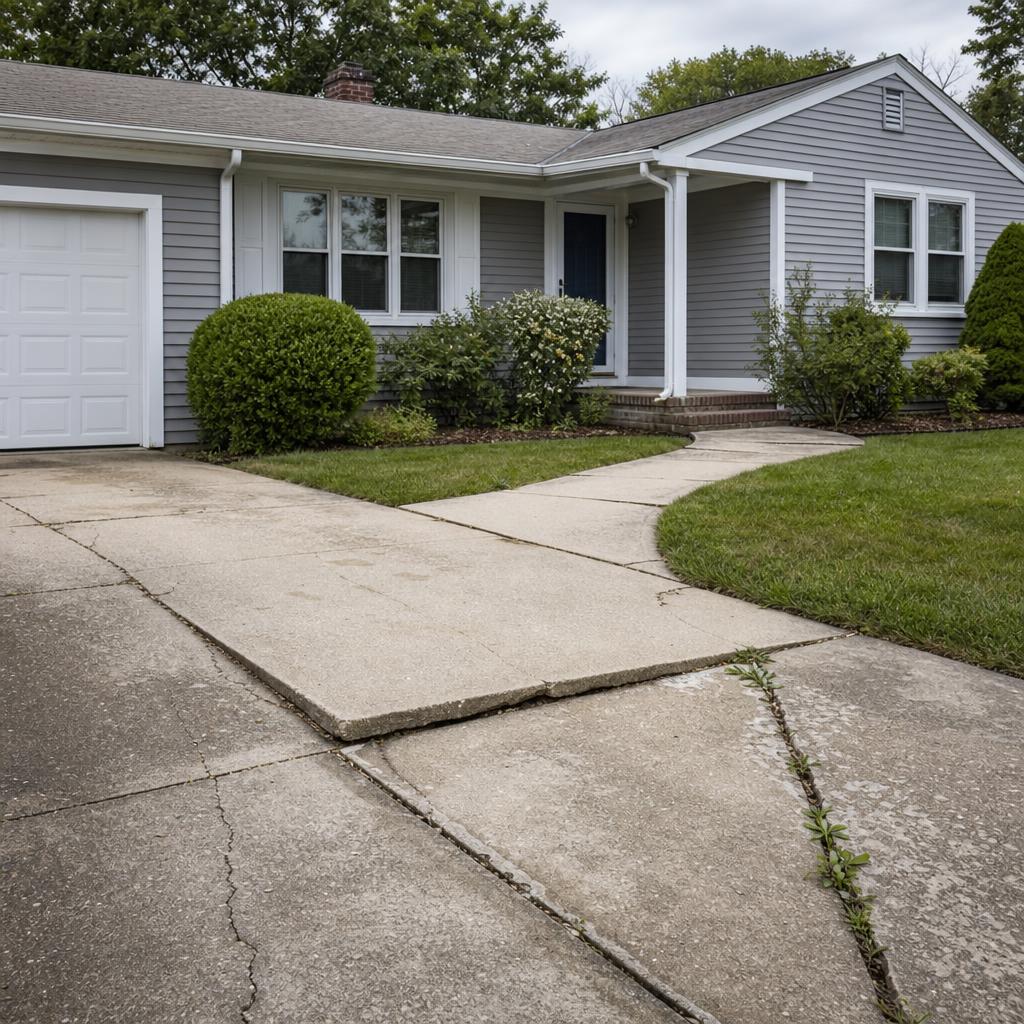
- Cracked Driveways: Cracked driveways are common in Boston, often appearing as visible fissures that can widen over time. The underlying cause is frequently due to soil settlement, which is exacerbated by the clay-heavy soils prevalent in areas like Fenway. Ignoring these cracks can lead to more extensive damage, resulting in costly repairs and potential safety hazards for homeowners. This issue typically affects single-family homeowners in neighborhoods such as Brookline and Brighton.
- Uneven Sidewalks: Uneven sidewalks in Boston can present significant trip hazards, particularly in high-traffic areas near Faneuil Hall. These issues often arise from tree root intrusion or soil erosion, which shifts the concrete slabs out of alignment. If not addressed promptly, these uneven surfaces can lead to liability claims from pedestrians and increased maintenance costs for property managers overseeing commercial properties. This is a frequent concern for property managers in multi-unit dwellings around Harvard Square.
- Sunken Patios: Sunken patios often manifest as noticeable depressions that collect water, creating an unsightly appearance and potential drainage issues. In Boston, this is commonly caused by inadequate base preparation during installation or soil compaction problems. Allowing this issue to persist can lead to further erosion and the need for a complete patio replacement, which can be costly. This situation is often encountered by homeowners with outdoor spaces in the South End.
- Concrete Deterioration: Deteriorating concrete surfaces, especially in parking lots, can lead to significant operational disruptions for businesses near the Freedom Trail. This deterioration is often due to the age of the concrete and exposure to moisture, which causes spalling and flaking. Failure to repair these surfaces can result in increased liability and customer complaints, impacting a business's reputation. Commercial landlords in busy retail areas face this challenge frequently.
- Foundation Cracks: Foundation cracks can appear as horizontal or vertical fissures, indicating potential structural issues in properties throughout Boston. These cracks often stem from hydrostatic pressure due to water accumulation around the foundation, a common issue in homes near the Charles River. If left unresolved, they can lead to serious structural problems and costly repairs, making proactive maintenance essential for homeowners in older neighborhoods like Back Bay.
Local Pricing Factors
- Project Scope and Complexity: The complexity of concrete repair projects directly influences costs in Boston. For example, a simple sidewalk repair may be less expensive than addressing significant driveway deterioration that requires extensive leveling. Homeowners in neighborhoods like South Boston may find that the age of their properties complicates repairs, as older concrete often has underlying issues that need assessment. The more complex the scope, the more labor and specialized equipment are needed, driving up costs.
- Timing and Urgency: The urgency of a repair can significantly impact pricing. Clients in Boston may require immediate repairs due to safety concerns, especially in high-traffic areas near Fenway Park where trip hazards can lead to liability issues. Rush jobs often incur higher labor costs and potential premium fees for expedited service. Homeowners and property managers alike must consider whether they can accommodate a planned timeline or if immediate action is necessary, affecting overall budgeting.
- Location Logistics and Access Considerations: Access to job sites can vary widely in Boston, affecting both scheduling and costs. For instance, properties near Faneuil Hall may have limited access due to pedestrian traffic and permit restrictions, which can complicate equipment setup and increase labor hours. Homeowners and contractors need to factor in these logistics when estimating repair timelines and costs, as complicated access can lead to additional charges for labor and delays.
- Quality Tier or Provider Experience Level: The experience level of the service provider also affects pricing. Established companies with a proven track record in Boston may charge more due to their expertise and reliability. For instance, property managers overseeing multiple buildings need assurance that repairs will meet local codes and standards, making them willing to invest in higher-quality services. This approach helps to minimize potential future costs associated with inadequate repairs.
Climate Impact on Concrete
Spring Demand Surge: As temperatures rise in spring, Boston homeowners begin to notice the effects of winter on their concrete surfaces. Cracks and settling become more visible, prompting many to seek repair services. This seasonal uptick in demand often leads to busy schedules for contractors, making early booking essential for homeowners in neighborhoods like Beacon Hill. Planning ahead can ensure that repairs are completed before summer activities commence, particularly for outdoor spaces like patios.
Summer Project Planning: Summer is a peak time for concrete repair projects, as homeowners and property managers take advantage of the warm weather to address issues. Areas near Faneuil Hall see increased activity as businesses look to maintain safe and appealing walkways for customers. However, scheduling can become challenging due to the high volume of requests. Homeowners should consider contacting service providers early in the season to secure a timely appointment.
Fall Maintenance Preparations: As fall approaches, property owners in Boston start to prepare for winter by addressing any remaining concrete issues. This proactive approach is especially important for those living near the Boston Common, where uneven surfaces can lead to hazardous conditions during snowy months. Scheduling repairs in the fall allows for proper curing time and ensures that surfaces are safe before winter weather sets in.
Winter Challenges: Winter can pose significant challenges for concrete repair, as cold temperatures may delay curing times and complicate scheduling. Homeowners in areas like South End should be aware that repairs may need to be postponed during extreme cold snaps. Additionally, the potential for ice accumulation on damaged surfaces can exacerbate safety concerns, making timely repairs even more critical before winter storms hit.
Year-Round Considerations: Boston's climate also requires homeowners to be vigilant year-round. The freeze-thaw cycles common in the winter months can exacerbate existing concrete damage, making it essential to conduct regular inspections. Homeowners should be proactive about scheduling assessments, particularly in the late winter and early spring, to address any issues before they worsen.
Risk Disclosure
Quality Assessment: When seeking concrete repair services in Boston, it is crucial to assess the qualifications of potential contractors. Look for providers who can demonstrate experience with similar projects in the area, especially those familiar with the specific challenges posed by Boston's older infrastructure. For instance, a contractor who has successfully repaired foundations in the Back Bay area is more likely to understand the nuances of working with historic properties. Always ask for references and examples of past work to gauge their reliability.
Common Risks in Urban Areas: Urban environments like Boston come with unique risks for concrete repairs. Homeowners must be aware of potential complications such as hidden utility lines and existing structural issues that may not be immediately visible. These factors can lead to unexpected costs and delays if not properly accounted for during the initial assessment. Ensure that your contractor conducts a thorough evaluation to identify these risks upfront to avoid surprises later in the project.
Expectations for Communication: Clear communication with your concrete repair provider is essential to ensure a smooth process. In Boston, where projects often require coordination with local authorities for permits, it's important for homeowners to stay informed about timelines and any required documentation. A good provider will keep you updated on progress and any issues that arise, helping to manage expectations and reduce the likelihood of misunderstandings that can lead to frustration and additional costs.
Regulatory Considerations: Homeowners in Boston should also be aware of local regulations that may affect concrete repair projects. For example, certain neighborhoods may have specific guidelines regarding the preservation of historic structures. Understanding these regulations can help homeowners avoid fines and ensure that repairs are compliant with local laws.
Environmental Impacts: It’s important to consider the environmental impact of concrete repair methods. Boston homeowners may want to discuss eco-friendly materials and techniques with their contractors, especially in areas like the Emerald Necklace, where preserving the surrounding ecosystem is a priority. This consideration can also enhance the longevity of repairs and reduce future maintenance needs.
Project Scenarios
Scenario: Driveway Resurfacing in Brighton
In Boston, Client: A homeowner in Brighton needed urgent repairs for a cracked driveway impacting safety and access.
Background: The homeowner noticed multiple cracks developing over the past few months, causing concerns for family and guests. With a median home value of $684,900 in Boston, maintaining property value was crucial. The driveway served as a primary entry point, and the homeowner wanted repairs completed before the winter months, when further damage could occur due to freezing temperatures.
Approach: Our team assessed the driveway and decided on a resurfacing method that utilized a high-strength overlay material to bond with the existing concrete. This choice minimized disruption compared to a full replacement. We scheduled the work for a weekday, ensuring that the homeowner had clear access while allowing us to complete the project efficiently within a single day.
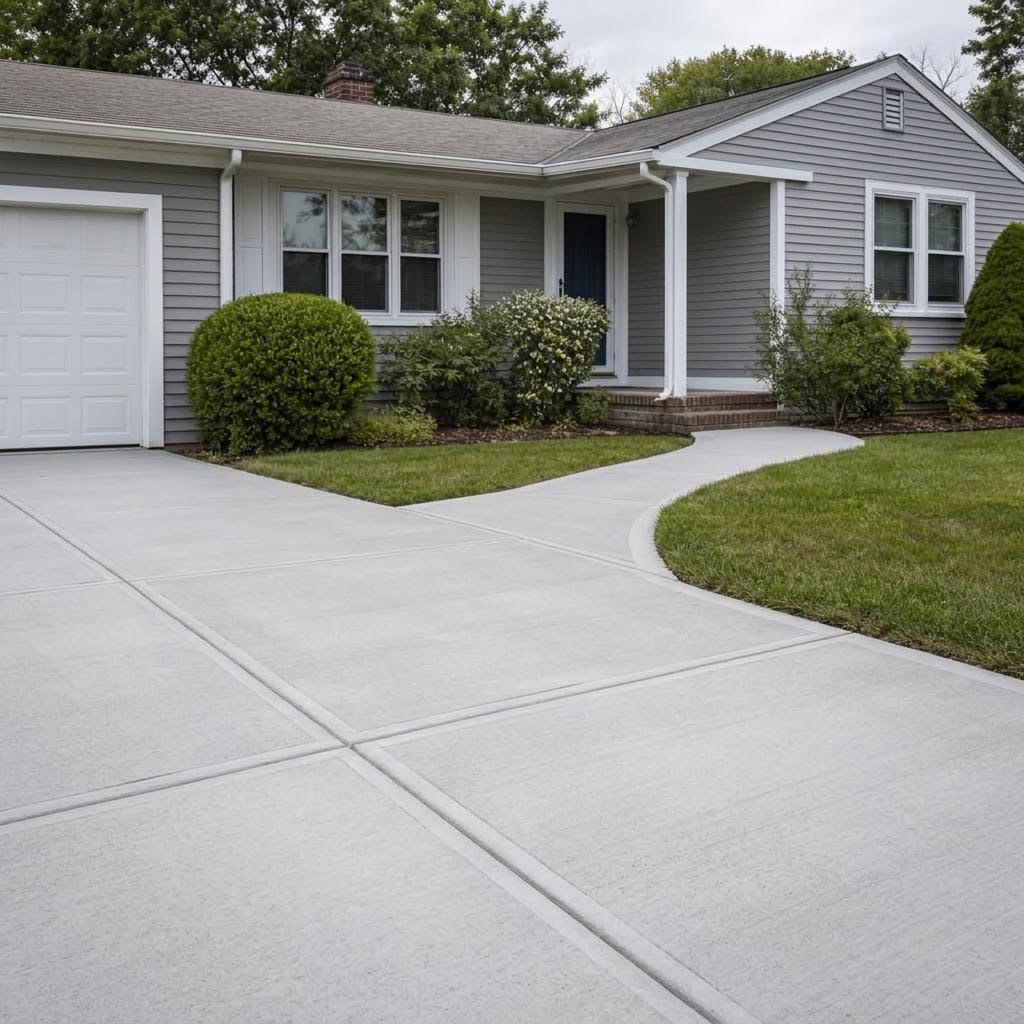
In Boston, Result: The resurfacing was completed on schedule, effectively sealing the cracks and restoring the driveway's surface. The homeowner was pleased with the prompt service, resulting in improved safety and enhanced curb appeal without the need for extensive downtime.
Scenario: Sidewalk Repair in Allston
In Boston, Client: A property manager in Allston sought to address safety concerns due to uneven sidewalks surrounding a multi-unit residential building.
Background: The property manager received several tenant complaints about trip hazards caused by the sidewalk's uneven surface. Given Boston's median household income of $89,212, maintaining tenant satisfaction was essential for retaining residents. The manager aimed to resolve the issue quickly to prevent potential liability claims while complying with city regulations regarding sidewalk conditions.
Approach: Our team recommended a concrete leveling solution to address the uneven areas effectively. We confirmed that the work would take place during off-peak hours to minimize disruption for tenants. By choosing this method over complete replacement, we ensured a faster turnaround while keeping costs manageable. We coordinated closely with the property manager to finalize the scheduling.
Result: The sidewalk leveling was completed in just a few hours, significantly improving safety and accessibility for tenants. The property manager was able to document the repairs, which satisfied both tenant concerns and local compliance standards, fostering a positive relationship with residents.
Scenario: Parking Lot Repair in Fenway
In Boston, Client: A commercial facility owner in Fenway needed urgent repairs to a deteriorating parking lot affecting customer access.
Background: The owner observed several significant cracks and potholes that were deterring customers and creating safety hazards. With Fenway Park nearby, the facility experienced heavy foot traffic during events, making timely repairs critical. The owner wanted to ensure the repairs were completed without disrupting business operations, particularly during peak hours.
In Boston, Approach: Our team proposed a phased repair strategy, prioritizing the most critical areas for immediate patching. This approach allowed us to address urgent safety concerns while planning for more extensive future repairs. We selected a durable repair mix suitable for high-traffic areas and scheduled the work during non-peak hours to minimize disruption to customers and ensure continued access to the facility.
Result: The initial repairs were completed within two days, significantly enhancing the parking lot's safety and appearance. The facility owner reported a noticeable improvement in customer access and confidence in the property's upkeep, directly contributing to increased foot traffic and overall business performance.
Frequently Asked Questions
What are the signs I need concrete repair in Boston?
Common signs that you may need concrete repair include visible cracks, uneven surfaces, and water pooling around your driveway or patio. If you notice trip hazards on sidewalks or driveways, it's crucial to address these issues promptly to prevent accidents. In Boston, where many properties are older, these signs often indicate underlying structural problems that require immediate attention.
Should I repair or replace my cracked driveway in Boston?
Deciding between repair and replacement of a cracked driveway depends on the extent of the damage. If the cracks are minor and localized, a targeted repair or resurfacing may suffice. However, if the cracks are widespread and the surface is significantly sunken, a full replacement might be necessary to ensure safety and functionality in high-traffic areas like near Fenway Park.
How much does concrete leveling cost in Boston?
The cost of concrete leveling can vary based on the size of the area and the severity of the sinking. While specific pricing can depend on various factors, you can expect that larger projects, like leveling a patio or driveway, will generally require more resources. It's advisable to schedule an assessment to determine the most accurate estimate tailored to your property’s needs.
What methods are available for repairing concrete in Boston?
Several methods are available for concrete repair, including crack filling, slab jacking, and resurfacing. Each method has its own advantages depending on the severity of the damage and the intended use of the surface. For example, slab jacking is particularly effective for sunken driveways and patios, while resurfacing can restore the appearance of worn-out sidewalks.
How long does concrete repair take in Boston?
The timeline for concrete repair can vary significantly based on the method used and the extent of the damage. Generally, smaller repairs like crack filling can be completed in a day, while larger projects like full driveway replacements may take several days. Always consider curing time as well, which can affect when you can use the repaired area again.
What should I know about winter concrete repairs in Boston?
In Boston, winter weather can complicate concrete repairs. Cold temperatures can affect curing times, requiring special materials or methods to ensure proper adhesion and strength. It's essential to plan repairs during milder weather when possible, or to utilize heated enclosures to maintain optimal conditions.
Are there specific regulations for concrete work in Boston?
Yes, concrete repair and replacement projects in Boston may be subject to local building codes and regulations. Homeowners and contractors should be aware of permits that may be required for larger projects, particularly in historic districts where preservation guidelines must be followed.
Common Questions
Answers for local customers
Diagnose & Urgency
Repair Options & Tradeoffs
Cost, Timing & Warranties
What Concrete Repair options are available?
We offer a range of Concrete Repair solutions tailored to residential and commercial needs. Contact us to discuss your specific requirements and get a detailed overview of what we provide.
How long does Concrete Repair typically take?
Project timelines depend on scope and complexity. We provide accurate schedules during your consultation so you know exactly what to expect before work begins.
What causes the need for Concrete Repair?
Common factors include age, wear, environmental conditions, and changes in property or business needs. A professional assessment can identify your specific situation and the most appropriate path forward.
Do you provide free estimates for Concrete Repair?
Yes, we offer complimentary consultations and detailed written estimates for all Concrete Repair projects so you can make informed decisions without any obligation.
When is the best time to schedule Concrete Repair?
We serve clients year-round and work around your schedule. Contact us to find the most convenient timing for your specific project and location.
How do I know if I need Concrete Repair?
Common indicators include visible issues, reduced performance, or changes in your property or business requirements. A professional evaluation can help you determine the right next steps.
What warranty do you offer on Concrete Repair work?
We provide comprehensive warranties on all work, covering both workmanship and materials for your protection. Warranty terms are explained clearly before any project begins.
Can Concrete Repair be customized to my specific needs?
Absolutely. We tailor every project to the specific requirements of your property, budget, and situation. No two projects are identical, and our approach reflects that.
Local Weather
Currently 65°F and partly cloudy with winds at 9 mph (as of 2026-09-09)
📍 Directions to Boston, MA
🚗 Driving Directions
US Route 1:
- Keep left and keep right to stay on the current road
- Turn left onto Gallivan Boulevard, MA 203
- Turn left onto Norfolk Street and then left onto Mildred Avenue
- Arrive at Mildred Avenue, on the left. Arrive in Boston, MA
Nearby Service Areas
Get Your Free Estimate
Contact us today for a free, no-obligation estimate on your Concrete Repair project in Boston, MA.
